Showing posts with label inflation. Show all posts

Tuesday, May 23, 2023

Will Jim Chalmers’ budget drive up inflation? Not likely – and here’s why

The proposition that cutting prices will stoke inflation is a hard one to get your head around, even if you are an economist.

Yet it has been seriously put forward as a critique of this month’s budget; the one in which Treasurer Jim Chalmers announced measures that will take the edge off electricity and gas prices, the price of prescriptions and some visits to the doctor, and the out-of-pocket costs faced by low-income renters.

And childcare. Although announced in last year’s budget, measures to take effect in July are set to save a typical family with one child in care about $1,780 per year.

Some of the critics of these measures were participants in this year’s Economic Society of Australia post-budget survey.

What they said was that cutting these prices will give people more free money to spend on other things, pushing up prices elsewhere, and putting more pressure on inflation and the Reserve Bank, which might have to push interest rates higher.

As one of them put it, subsidising bills is “not really all that different” to giving people cash payments that they can use to bid up prices and push up inflation.

As I said, it’s a hard argument to get your head around. It makes sense in theory, but in practice I don’t think it makes much sense at the moment, given the measures actually in the budget.

Correct in theory, if not in practice

Here’s how it might make sense. Imagine a big expense that households had no choice but to pay. If the government introduced measures that increased it by $1,000 a month, those households would be forced to spend a good deal less per month on other things, and would put a good deal less upward pressure on prices.

Actually, we don’t need to imagine. It’s partly why the Reserve Bank has just ramped up interest rates – to increase mortgage payments by up to $1,000 per month, and in doing so take up to $1,000 a month from household budgets to take pressure off prices.

And it’s partly why the Reserve Bank cuts interest rates – to lower mortgage payments and free up money households can use to bid up prices.

The argument is that if a cut in the price of paying off a mortgage can be inflationary, so too can cuts in other prices.

Except that other price cuts are hardly ever anything like as big.

When the price of petrol (and diesel) jumped 40 cents per litre after Russia invaded Ukraine in 2022, few people doubted it was inflationary. It pushed up the price of nearly everything.

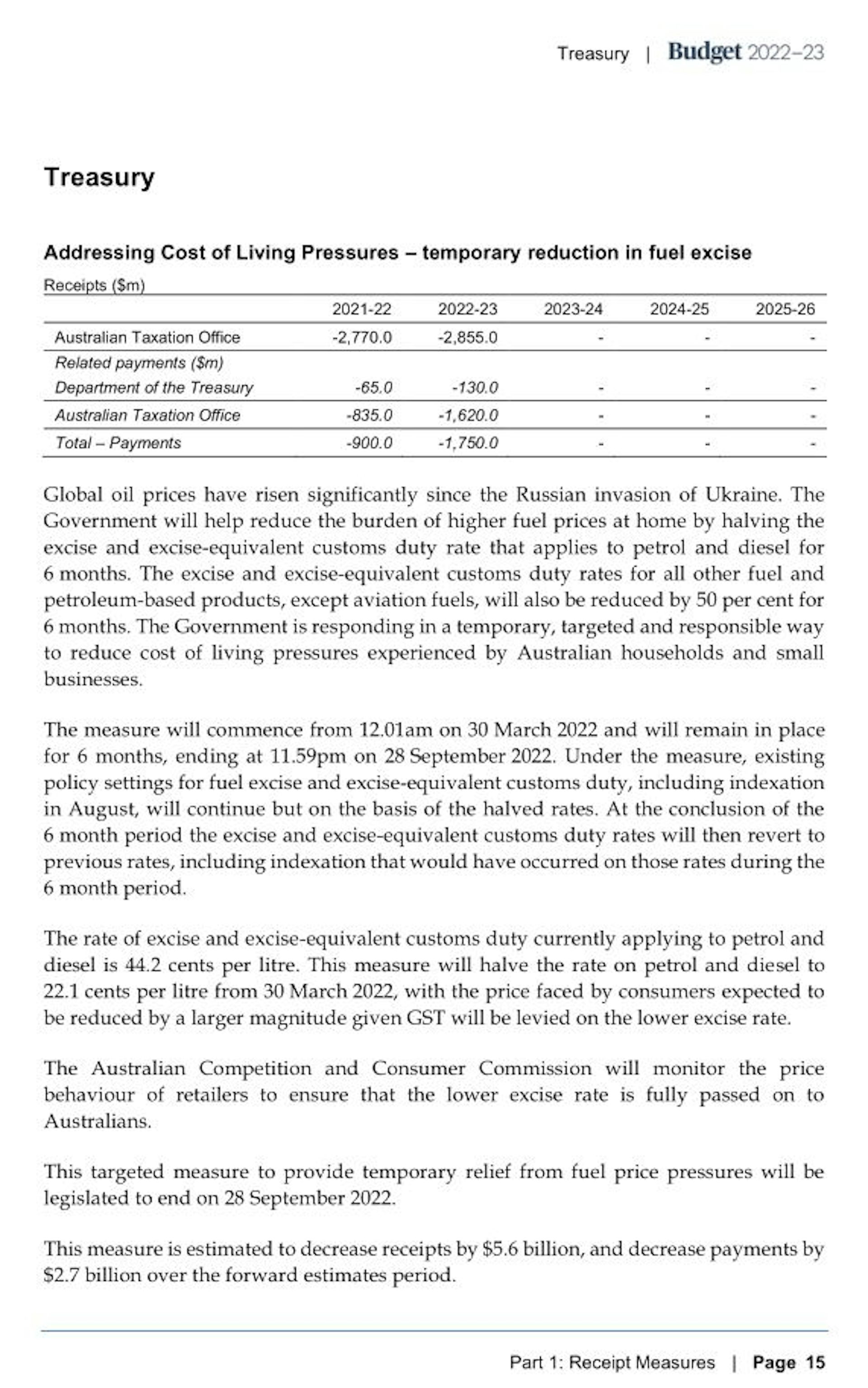
So when the price per litre fell 22.1 cents after the Morrison government temporarily cut fuel excise, few doubted that the measure restrained inflation as it was meant to, even though if the price had been cut by much more the cut might well have fed inflation.

Which is another way of saying that size matters. If I was to spit into the ocean, theory suggests I would lift the sea level. Practice suggests I would not.

A small effect, with a lag

In his post-budget address to Australian Business Economists last week, Treasury Secretary Steven Kennedy revealed the government’s calculations on the budget’s effects on inflation.

He said the changes to rent assistance, the price of prescriptions and bulk billing were small and would put only “small downward pressure on prices”, which he conceded might theoretically be offset by a boost to spending.

But he said that offsetting effect would be “largely immaterial”, meaning it would be too small to measure.

The energy price measures will do much more. Kennedy’s department reckons they will cut inflation by three quarters of a percentage point in 2023-24, producing an inflation rate of 3.25% rather than 4% in the year to June 2024.

It says the caps on wholesale prices will do most of the work, cutting the inflation rate by half a per cent, with the consumer and business rebates cutting inflation by a further quarter of a per cent. When the rebates end in mid-2025 their effect will be unwound.

The department says the offsetting effect from extra spending will be measurable but “small”, and will work “with a lag”. So by the time it has had much of an effect, inflation itself should be a good deal lower.

And Kennedy identified three things that should help offset the offsetting effect:

  • lower energy prices and inflation will lower the indexation of payments that are linked to inflation, putting less money into the economy to add to inflation

  • the expected 0.75 point cut in inflation should help restrain inflationary expectations, making it harder for high inflation to become self-sustaining

  • the cuts in the profits of energy companies brought about by the energy price caps will themselves remove money from the economy.

And Kennedy says Australia is well placed to fight inflation in other ways.

All of the budget measures taken together, including the cost-of-living measures, should add just $20 billion to the amount the government pumps into the economy over the next four years – a mere fraction of $11 trillion that Australians will spend and earn over that time.

As well, Australia’s very, very low unemployment rate has pushed the proportion of the population in paid employment to record highs, making Australia better able than ever to call upon workers to respond to shortages as prices rise.

The faster-than-expected return of migration will help even more, adding to the capacity of the economy to provide services without pushing up prices, all the more so because the migrants Australia selects tend to be young enough not to need many services themselves.

While you can never know what’s around the corner, I’m yet to see a credible argument that inflation won’t do as predicted in the budget: come down swiftly from here on. It’s forecast to fall from 7% to 6% by the middle of this year, and to 3.25% by the middle of next year.

Rather than making inflation worse, it seems to me that by cutting prices for many of us, the budget will help bring down inflation sooner.The Conversation

This article is republished from The Conversation under a Creative Commons license. Read the original article.

Read more >>

Tuesday, February 07, 2023

RBA warns of at least 2 more interest rate rises in coming months, as the economic outlook worsens

Australia’s cash rate has hit 3.35%, after the Reserve Bank raised interest rates for the ninth time in a row – and signalled more interest rate pain ahead. The 0.25 percentage point rise adds A$90 a month to a $600,000 variable mortgage.

Ahead of Tuesday’s statement from the Reserve Bank board, there was talk of just one more 0.25 point rate hike this year.

That was the view of traders in the money market, who had priced loans on the basis that the bank’s cash rate would climb just 0.35 points further after being lifted to 3.35% on Tuesday, before plateauing and then falling.

No longer. The statement released after Tuesday’s board meeting included this carefully-considered plural:

The Board expects that further increases in interest rates will be needed over the months ahead to ensure that inflation returns to target and that this period of high inflation is only temporary.

The reference was to “increases”, not an “increase”, and to those increases in the months ahead, implying (at least) two more increases within months.

Within minutes, traders adjusted their prices to a peak in the cash rate of 3.9%, rather than 3.7% – which coincidentally was around the average forecast of participants in The Conversation’s economic survey at the start of the week.

The bank is lifting rates even though it thinks inflation is heading down.

In a preview of its full set of forecasts to be released on Friday, it said it expected inflation to slide from its present 7.8% to 4.74% by the end of this year, and to around 3% by mid-2025, which is also in line with the forecasts of the Conversation’s panel.


The steam is coming out of inflation partly because of interest rate hikes here and overseas, and partly because the global effects of Russia’s invasion of Ukraine are fading.

Last Wednesday, the head of the US Federal Reserve Jerome Powell (the equivalent of Australia’s Reserve Bank Governor Philip Lowe) began talking about “disinflation”.

“We can now say, I think for the first time, that the disinflationary process has started,” he told a press conference, and to underline the point he used the word “disinflation” ten more times in 44 minutes.

US inflation has been falling since the middle of last year, from a peak of 9.1% in June to 6.5% in December.

Powell says inflation is falling mainly because the global shortages of goods and commodities caused by Russia’s invasion of Ukraine have been “fixed”.

But inflation is also falling because of the work Powell has done. In the US, the Federal Funds rate (similar to our Reserve Bank cash rate) has climbed from something near zero to 4.5% in the space of a year, denting consumer spending.

Disinflation abroad, weak wage pressure at home

In Australia, figures released by the Bureau of Statistics on Monday show spending fell in the three months to December – not in absolute dollar terms, because December is always a big month, but compared to what would have been expected given the end of the year.

Continuing to hold up inflation in the US and in the UK – but not in Australia – has been very high wages growth. Higher prices have become baked into higher wages, which have been fed into higher prices, which have in turn fed back into higher wages.

Not here. Whereas in the US and the UK wage growth has topped 6%, here it is officially 3.1% – way below what would be needed to hold up inflation.

In part, we’ve a former Labor government to thank for the absence of a wage-price spiral.

Prime Minister Paul Keating steered Australia toward enterprise bargaining at the start of the 1990s, locking many of us into wage agreements that are only struck once every three or so years, and are unable to respond quickly to prices.

So why is the Reserve Bank determined to whack inflation further, rather than watch it slowly die?

Perhaps to send a message that it is really, really serious, and that it is not a good idea to get relaxed about spending, thinking the worst will soon be over.

Bleak times ahead

Between the lines though, the bank is hinting it’s likely to soon ease off.

Its statement says rate increases affect the economy “with a lag” and that Australians on fixed-rate mortgages have yet to feel the full effect of the cumulative increases since May.

The bank’s assessment of the economy after the increases are over is bleak.

It says it expects GDP growth to slow to only 1.5% during 2023 and 2024, which is an even more dismal forecast than the International Monetary Fund’s, which has economic growth of just 1.6% this year, climbing to a historically-low 2.2% by 2026. The Conversation’s forecasters expect 1.7%, climbing to 2.5%.

The RBA’s forecast would mean income per person barely increases for years to come (although the unemployment rate would stay below 5%), a condition that before COVID was known as secular stagnation.

This would mean the economic resources Australian governments needs to provide the services we’re likely to need (such as to get to net zero emissions, and to deal with climate change) are going to be harder to come by.

It’s what Treasurer Jim Chalmers intends to spend much of 2023 readying us for.

Later this month Chalmers will release a revamped tax expenditures statement, setting out the scope to wind back tax breaks, including those for profits made selling high-end family homes. That’s something Chalmers says he isn’t considering, but which the IMF has recommended.

And then later in the year, he will release the first intergenerational report to properly spell out the financial costs of climate change – right through to 2063.

2023 is going to be quite a year.The Conversation

This article is republished from The Conversation under a Creative Commons license. Read the original article.

Read more >>

Tuesday, November 01, 2022

Why has the RBA raised interest rates for a record 7th straight month? High inflation – and worse is on the way

Pushing up interest rates isn’t something the Reserve Bank does lightly.

But what’s worrying the Reserve Bank – and why it increased interest rates for a record seventh consecutive month on Melbourne Cup Tuesday – is that inflation seems to have become completely detached from the bank’s target band.

That target band of 2-3% was introduced in the early 1990s, at a time when that’s where inflation was. With one brief exception during the introduction of the goods and services tax, at the start of the 2000s, inflation has never since been far away from the band – until now.

The jump in inflation from 6.1% to 7.3%, revealed last Wednesday, made it clear that, even after six consecutive interest rate hikes, inflation was further away from the Bank’s target band than it had ever been.


Inflation breaks free of the target band


When the Reserve Bank began hiking its so-called cash rate during the May election campaign, the National Australia Bank’s standard variable mortgage rate was 3.45%. It’s now 5.95% and about to go to 6.2%.

For a borrower with a $500,000 mortgage, the increase in payments amounts to $800 per month. For a borrower on a fixed-rate loan of 2% that’s about to expire, the burden will be even greater.

So the Reserve Bank wants to be sure the jump in inflation to 7.3% is real.

How the cost of buying a home skews inflation

The first thing to say is that 7.3% is almost the real thing, but not quite.

The Bureau of Statistics collects information on millions of prices per week, at times by going into stores in eight cities and noting down what’s on price tags, at times by direct feeds from supermarkets, petrol stations and electricity suppliers, and at times by “scraping” prices quoted on the web for home deliveries.

The bureau categorises the things it prices as either essential or non-essential (its words are “non-discretionary” and “discretionary”).

It’s found that the prices of essential items (those we generally have to buy) climbed by more than 7.3% in the year to September – by an extraordinary 8.4% – whereas the prices of things we generally don’t need climbed 5.5%.

For obvious reasons, food is among the bureau’s list of essential or “non-discretionary” items. Food prices continue to be pushed up by floods and labour shortages.

But what many people don’t realise is that also among that list of supposedly “non-discertionary” items is one type of purchase people don’t make often – and which some of Australians will never make.

And that single item – “new dwelling purchase by owner-occupiers” – makes up more of the consumer price index than anything else.

Buying a home is so expensive compared to the other things we buy (such as bread and milk) that it accounts for almost 9% of the consumer price index.

Worse still, being classified as essential, it makes up almost 15% of the “essentials” index, even though for most of us in any given year buying a home is optional.

In most years, this anomaly doesn’t matter much. The price of a new home (what’s priced is only the construction of the home, not the land) climbs pretty much in line with everything else.

But building material shortages, COVID-induced labour shortages, and an explosion in demand for building fed by the government’s HomeBuilder grant have pushed up the price of new dwellings by an astonishing 20.7% in the past year. That’s enough to add an awful lot to the reported rate of inflation.

The real cost of living is probably up 6%

A rough calculation suggests Australia’s inflation rate would be 6%, instead of 7.3%, if the price of new homes didn’t have such an outsized influence.

We will know more by mid-Wednesday. The bureau actually produces separate living cost indexes a week after the consumer price index that substitute mortgage payments for the cost of home-building.

Lately these indexes have been pointing to increases one to two percentage points below the official rate of inflation.

Accurately measuring rent rises

Another peculiarity is that the rent increases recorded in the consumer price index are so far below those we keep hearing about.

The bureau says in the year to September, average capital city rents climbed just 2.8%, compared to the figures of 10%, and in some suburbs, 20%, quoted by real estate analysts.

In part, this is because the bureau only reports capital city rents. But more importantly it is because it does its job better than real estate analysts.

It collects data on not only the rents that are advertised (these are climbing strongly), but also on the hundreds of thousands of rents paid by continuing renters, which either aren’t climbing at all or aren’t climbing as strongly.

The bureau compares the two by describing a bathtub of water.

The water in the tub represents all rents being paid by households, while the water entering the tub from the tap represents new rental agreements. The consumer price index is measuring the overall temperature of the bathtub whereas an advertised rents series measures the temperature of the water flowing into the tub.

Worse news ahead

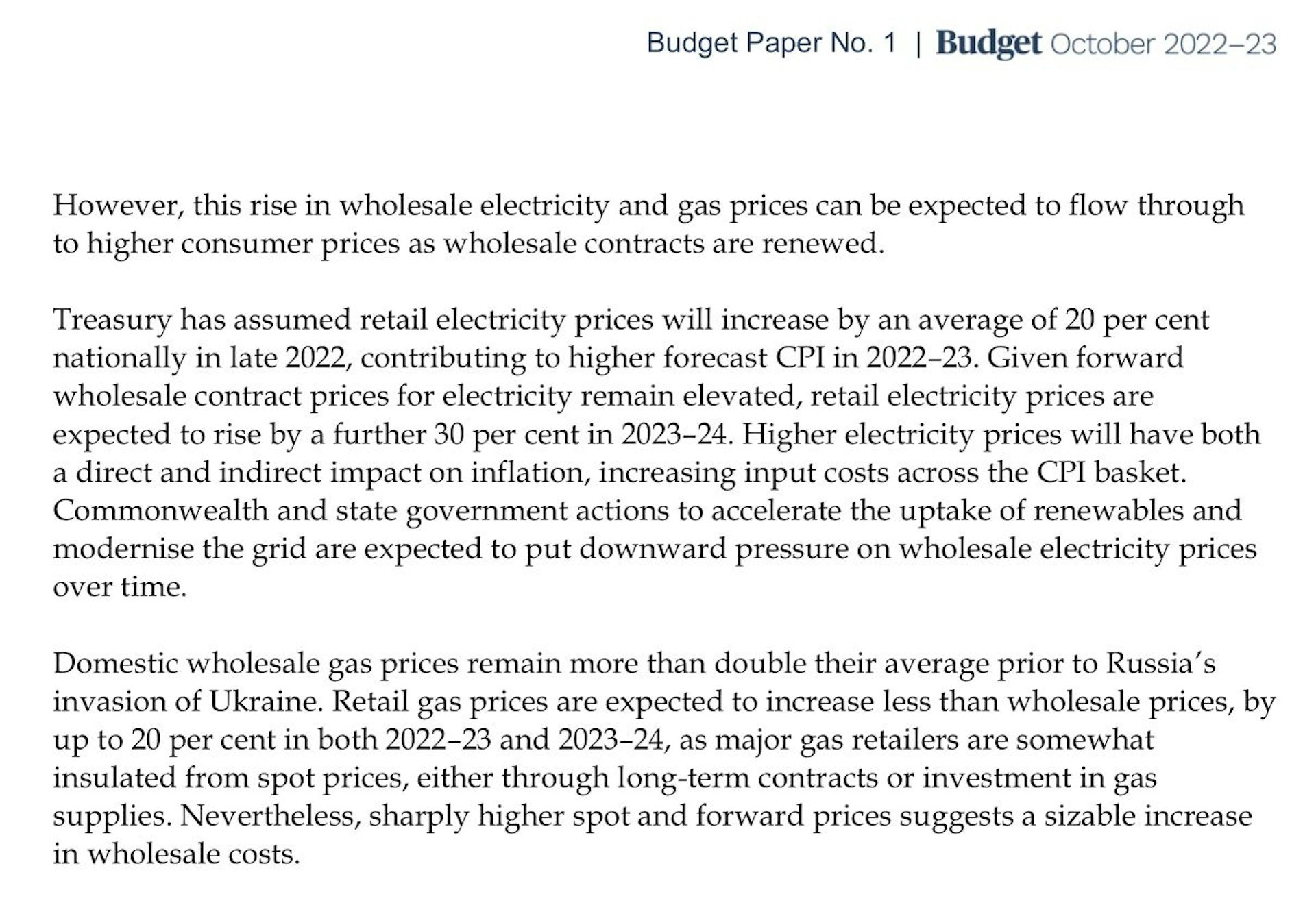
Perhaps surprisingly, the bureau finds the average retail price of electricity only climbed 3.2% in the year to September, and the price of gas by only 16.6%, much less than the 56% and 44% mentioned in last week’s federal budget.

But the budget numbers were predictions of what’ll happen over the next two years unless the government provides relief. The bureau was telling us what has happened.

Which is why the Reserve Bank is worried. While gas and electricity prices will subside eventually, inflation is likely to climb even higher before it falls – the bank says to around 8%.

The way back to the target band of 2-3% is anything but clear. That means for homebuyers, there’s no relief in sight just yet.The Conversation

This article is republished from The Conversation under a Creative Commons license. Read the original article.

Read more >>

Sunday, August 14, 2022

‘It’s important not to overreact’: top economists on how to fix inflation


Wes Mountain/The ConversationCC BY-ND

Australia’s top economists are divided about how to tackle ballooning inflation of 6.1% that’s forecast to climb to a three-decade high of 7.75% by the end of the year.

Three of the 48 leading economists surveyed by the Economic Society of Australia and The Conversation say Australia should be able to tolerate an inflation rate of 8% or higher.

Seven expect inflation to fall back to an acceptable level without the need for any further action other than Reserve Bank adjustments to interest rates.

That view was lent weight by news from the United States last week that annual inflation slid from 9.1% to 8.5% in July, after inflation of zero over the month.


Asked how high an inflation rate Australia should be prepared to tolerate, most nominated a rate at the top of or above the Reserve Bank’s 2-3% target band.

Twelve nominated a rate well above the target band.

Ten said the step-up in inflation was primarily caused by events overseas not within Australia’s power to control.

The economists polled are recognised as leaders in their fields, including economic modelling and public policy. Among them are former Reserve Bank, Treasury and OECD officials, and a former member of the Reserve Bank board.


Beyond rate rises, what could be done?

There are three kinds of actions governments can take to bring consumer price inflation down

  • actions that suppress consumer spending (“demand”)

  • actions that boost the supply of goods and services (“supply”)

  • actions that directly restrain prices

Invited to choose from a menu of options, and add options to the menu, the panel placed slightly greater weight on measures to restrain demand than measures to boost supply, and greater weight on both than measures to directly restrain prices.

The most popular measure, backed by 37% of those surveyed, was winding back government spending. Almost as popular, backed by 33%, was a super-profits tax on fossil fuel producers, with the proceeds used to reduce cost of services.


Another tax measure – increased income taxes with the proceeds used to reduce cost of services – was backed by 17%. Two of those surveyed wanted to abandon the legislated Stage 3 tax cuts for higher earners due to take effect in 2024.

But several of those who advocated winding back government spending or boosting tax did so without enthusiasm, believing that while the government should be prepared to assist the Reserve Bank in suppressing consumer demand, suppressing demand wouldn’t tackle the main reasons prices were climbing.

The risks of doing too much

The Australian National University’s Robert Breunig said much of the inflationary pressure had come from things such as oil prices that were beyond the power of Australians to influence, making it “important not to overreact”.

Melbourne University banking specialist Kevin Davis said what appeared to be high inflation might actually mainly be a series of short-term supply-induced price rises, making it hard to see how choking demand could do much good.

Australia’s current ultra-low unemployment rate was an achievement that should be celebrated, rather than put at risk without a good reason.

If high inflation did stay for a while and spread to wages, a welcome side effect would be more affordable housing.

Curtin University macroeconomist Harry Bloch made the point that while measures to suppress demand in Europe and the United States would indeed have an impact on global energy and food prices, that wasn’t true of measures to suppress demand in Australia, which is too small to influence global prices.

Consulting economist Rana Roy disagreed, saying the fact that high inflation wasn’t primarily caused by excess demand was no reason not to treat it by containing demand. Whatever the cause, containing demand would contain inflation.

Mala Raghavan from the University of Tasmania and Leonora Risse from RMIT University suggested winding back or delaying spending in two areas where it was clear the government was contributing to domestically-driven higher prices: subsidies for, and spending on, construction and infrastructure.

Withholding gas, boosting immigration

The most popular ideas for boosting the supply of goods and services to take pressure off inflation were reserving a portion of Australian gas and other commodities for domestic use, and boosting immigration, supported by 33% and 29% of the economists surveyed.


Reserving a portion of Australian east coast gas for use in Australia would help decouple Australia’s east coast gas prices from sky-high international prices as has happened in Western Australia, which reserves 15% of its gas for domestic use.

Boosting immigration would take pressure off costs by easing labour shortages.

Federation University’s Margaret McKenzie suggested investigating blockages in supply chains and offering diplomatic and industry support to bust them.

Subsidising childcare, subsidising fuel

The most popular idea for directly restraining prices was increased subsidies for childcare, supported by 25% of the economists surveyed, several of whom suggested it could also boost the supply of workers who had previously been prevented from working by unaffordable childcare.


Other ideas that would directly restrain some prices included pushing for below-inflation wage rises in the Fair Work Commission and extending the six-month cut in fuel excise due to expire in September.

Former Reserve Bank board member Warwick McKibbin warned against pursuing low inflation for its own sake, saying when the economy was weak or in recession a high rate of inflation could be more easily justified than at other times.

He said the Reserve Bank should stop targeting inflation and instead target the rate of growth in national spending, an idea he will be putting to the independent review of its operations.


Detailed responses:

The Conversation

This article is republished from The Conversation under a Creative Commons license. Read the original article.

Read more >>

Tuesday, August 02, 2022

The RBA is hiking rates because it’s scared it can’t contain inflation

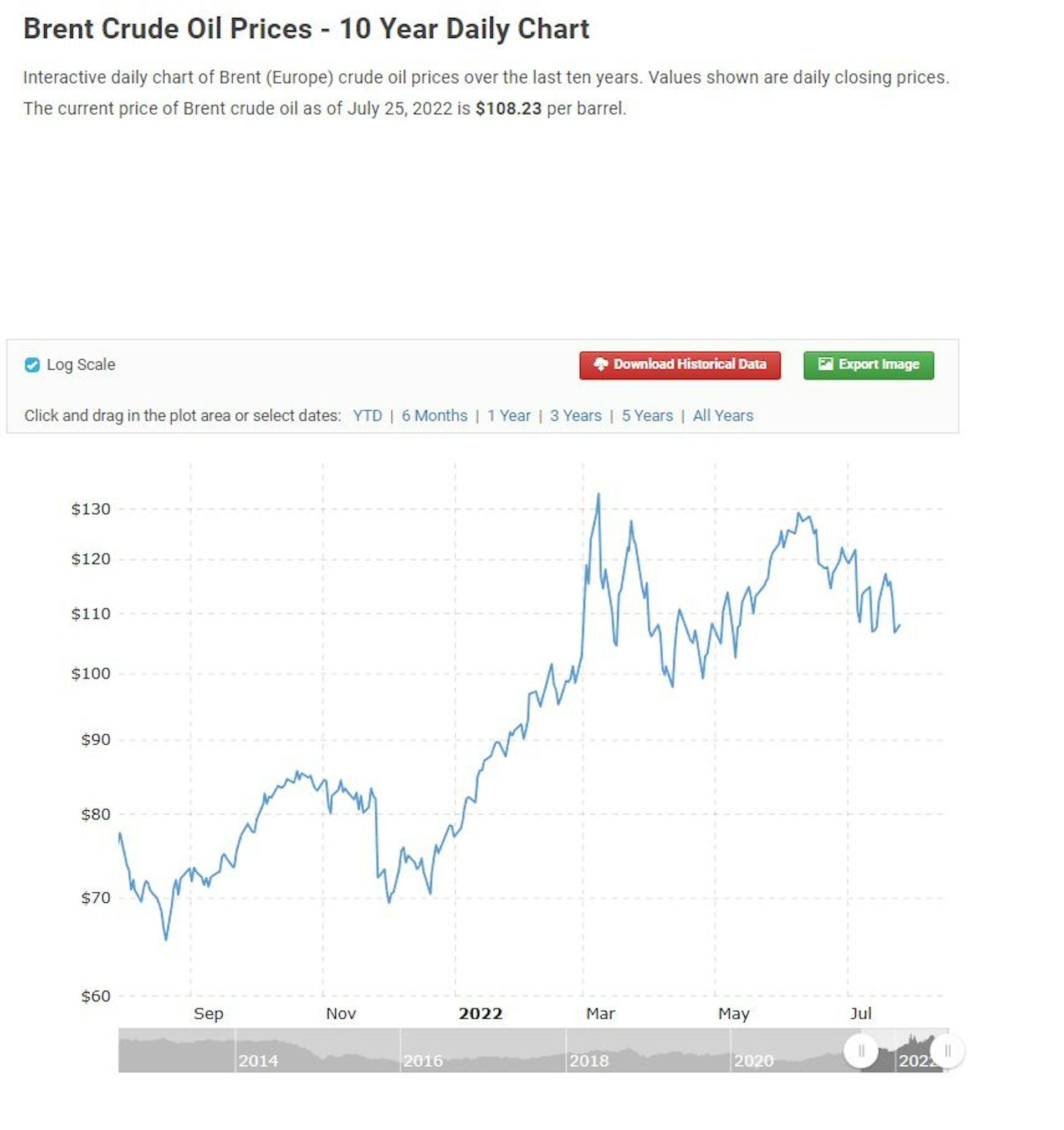
There are signs inflation pressures are easing. Oil prices are down almost 20% on their peak in March. They’ve been falling consistently for a month.

The average capital city unleaded price is down from A$2.11 per litre in early July to a more bearable $1.74.

The money market is pricing in much lower inflation than we presently have over the next one to four years, and consumers’ inflation expectations (although still high at 6.3%) eased off a bit between June and July.

So why did the Reserve Bank just hike its cash rate by an outsized 0.50 percentage points for the third consecutive month, taking it to 1.85%?

Partly because it knows what is to come.

Higher inflation in store

The 6.1% inflation figure released last week was for the year leading to the quarter that ended in June. Since then, in July, we’ve been hit by massive electricity price increases, some as high as 19%, and gas prices that have manufacturers screaming.

The monthly inflation gauge compiled by the Melbourne Institute (the Bureau of Statistics hasn’t yet gone monthly) kicked up 2.1% in July, the biggest monthly jump in two decades.

And there’s something else.

The Reserve Bank’s deepest fear might be that it can’t contain inflation, and that its apparent success over three decades has owed a lot to luck.

Reserve banks blessed by luck

Inflation fell to low levels throughout the world around the world at about the time it fell to low levels in Australia. From the mid 1990s, inflation fell to 2-3% in the US, the UK, Canada and just about every other Western nation, as China deluged the world with low-priced goods and companies began offshoring.

It got to the point where almost as many prices were falling as rising.

The US economic historian Adam Tooze says it’s reasonable to ask whether we had inflation at all from the mid 1990s onwards.

The Bank for International Settlements defines inflation as a “largely synchronous increase in the prices of goods and services” – a situation where prices broadly climb together.

Little real inflation for 30 years

It needs to be largely synchronous to qualify as inflation because otherwise the amount a dollar can buy isn’t clearly changing – any such effect is overwhelmed by changes in the mix of goods and services a dollar can buy.

It is only when prices start to move together, as they are now, that inflation gets normalised and becomes entrenched.

Twenty years ago, in June 2002, by my count 20 of the 87 types of items that made up the consumer price index fell in price. Ten years ago, 32 fell in price.

By economist Saul Eslake’s count, this June only 15 of what are now 90 expenditure classes fell in price – what appears to be the lowest number in decades.

Suddenly, price rises are synchronised

It means the Reserve Bank is having to deal with broad-based inflation of a kind it hasn’t faced since it began targeting inflation in the early 1990s.

Just about the only tool it has to do it – higher interest rates – makes people poorer.

Higher interest rates work in other ways as well.

  • they increase the reward for saving, diverting some money from spending

  • they make it harder to borrow, diverting more money from spending

  • and they push up the exchange rate, making imported goods cheaper – or they would have, were other central banks not also pushing up their rates, meaning the Australian dollar is no higher than it was when the bank began pushing up rates in May.

But their chief effect is impoverishing variable mortgage holders, to the tune of hundreds of dollars a month.

The more variable mortgage rates go up (Tuesday’s hike will push up the ANZ standard rate from 4.24% to 4.74%) the less mortgage holders have to spend on other things, and the less they will add to price pressure.

That’s the idea. And it is disingenuous to pretend otherwise.

Mortgage buffers are scant protection

In a speech last month Reserve Bank Deputy Governor Michele Bullock said households in aggregate were “well positioned”.

They had saved $260 billion since the start of the pandemic, much of which had gone into redraw facilities and offset and deposit accounts.

Around half were almost two years ahead on mortgage payments, or more. They had “large buffers”.

But, as University of Newcastle economist Bill Mitchell points out, by the bank’s own logic, this just means it will have to squeeze them harder.

It wants Australians to spend less and, if they use their buffers to keep spending as they have, it will have to either give up, or push rates higher until they do.

RBA Governor Philip Lowe says he is navigating a “narrow path” to curb inflation without too much pain. He can’t be certain he knows the way.The Conversation

This article is republished from The Conversation under a Creative Commons license. Read the original article.

Read more >>

Wednesday, May 04, 2022

Why the RBA should go easy on interest rate hikes: inflation may already be retreating and going too hard risks a recession

One of the stranger things about the Reserve Bank’s announcement of why it’s lifting interest rates by 0.25 percentage points is that it suggests inflation will come down by itself.

“A further rise in inflation is expected in the near term,” the RBA says, “but as supply-side disruptions are resolved, inflation is expected to decline back towards the target range of 2-3%.

So why raise rates now, for the first time in more than a decade? The bank says it is about "withdrawing some of the extraordinary monetary support that was put in place to help the Australian economy during the pandemic”, which is fair enough.

But our latest burst of inflation is weird, and resistant to rate hikes. If the Reserve Bank isn’t careful, too many more rate hikes like this might help bring on a recession.


Labor’s Anthony Albanese is as good as correct when he says “everything is going up except your wages” – not completely correct, because wages are going up, by a minuscule 2.3% per year on the official figures; but essentially correct, because when it comes to prices, almost every single one is going up.

Every three months the Bureau of Statistics prices around 100,000 goods and services. They account for almost everything we buy, the exceptions including illegal drugs and prostitution, where pricing would be “difficult and dangerous”.

Among the types of bread the bureau prices are rye, sliced white, and multigrain, from all sorts of stores in every capital city. Where the bureau doesn’t price a type of loaf, it is a fair bet its price moves in line with the loaves it does price.

Then it groups these 100,000 or so prices into “expenditure classes”, 87 of them. “Bread” is one, “breakfast cereals” is another. Furniture and rent are two others.

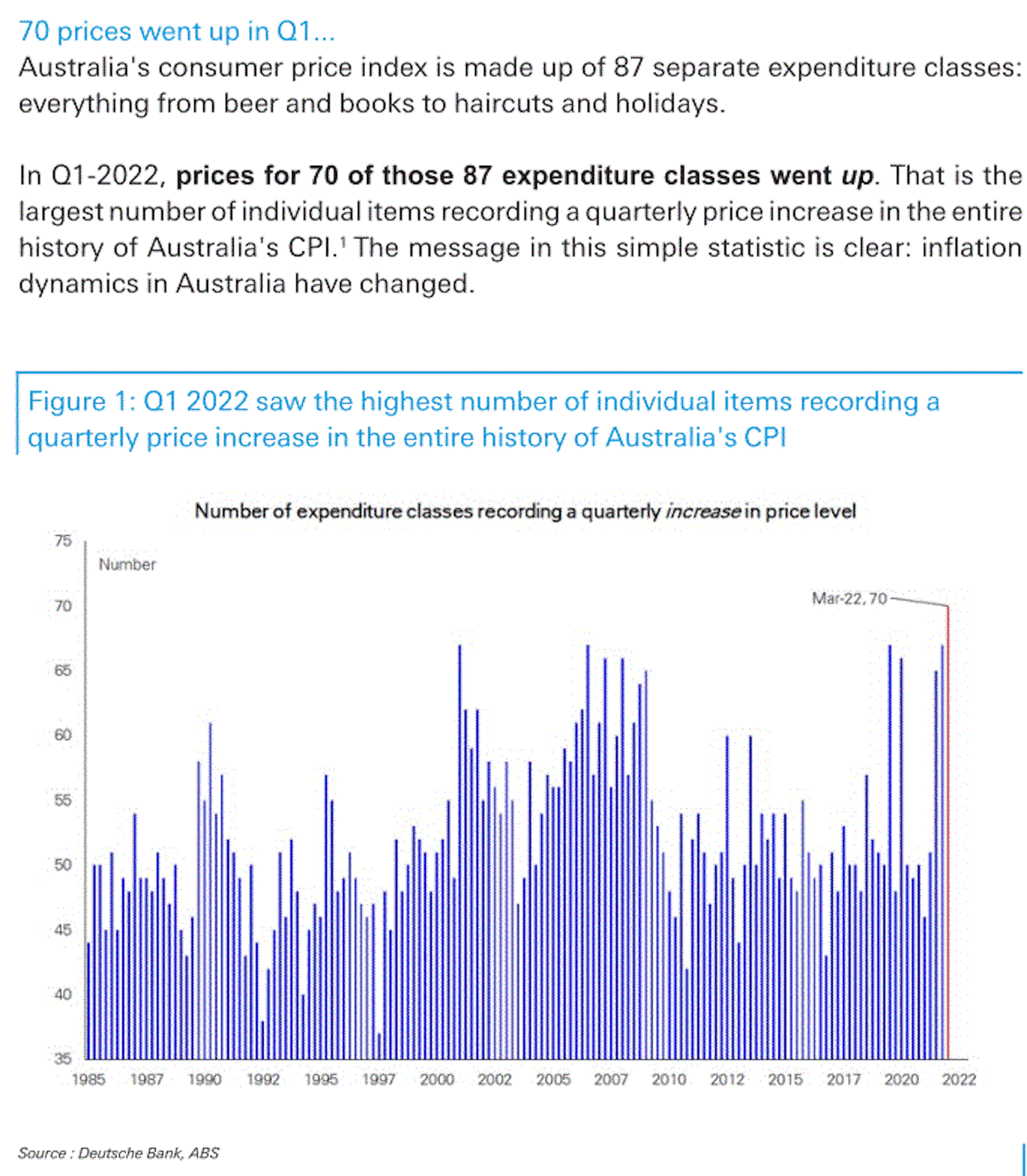
Rarely do the expenditure classes move as one. Typically, only 50 or so of the 87 climb in price. But in the March quarter just finished, an astounding 70 climbed in price; according to Deutsche Bank economist Phil O'Donaghoe, that’s the most ever in the 72-year history of the consumer price index.

And the prices that climbed most – by far – were the ones we had little choice but to pay.

Necessities up, treats not as much

The bureau divides the 87 classes of goods into “non-discretionary” and “discretionary”.

It classifies bread as non-discretionary, biscuits as discretionary; petrol as non-discretionary, new cars as discretionary, and so on.

In the year to March, non-discretionary inflation (the price rises we can’t avoid) was a gargantuan 6.6% – well above the official inflation rate of 5.1%, and the highest in records going back to 2006.

Discretionary inflation – the price rises on the treats we splurge on if we’ve got the money – was only 2.7%.

Not since 2011 has the gap been that wide, which makes this inflation unusual.


While price rises are extraordinarily widespread – because most things need diesel to move them, and we were hit with floods, COVID-linked supply problems and the invasion of Ukraine all at once – they don’t seem to be the result of splurging.

These price rises are more like a tax.

The usual response to the usual hike in inflation is to hike interest rates. It’s a way to take away access to cash and push up mortgage and other payments so people have less money to spend and push up prices.

But this hike in inflation is doing that by itself, as the government recognised in the budget by handing out $250 cash payments to compensate.

These price rises are like a tax

If the big price rises are beyond our control and making us poorer, hiking interest rates to make us poorer still, in the hope we will splurge less on things whose prices we can influence (and whose price rises are small) might not achieve much.

Done repeatedly, the Reserve Bank could push up interest rates because inflation is high, discover inflation is still high, push interest rates higher in response, notice inflation is still high, push interest rates even higher in response… and so on, until it had brought on a recession.

A recession is already a risk with these sorts of price rises. If big enough, they can force consumers to cut other spending to the point where the economy stagnates and creates unemployment in the face of inflation – so-called “stagflation”.

Another response would have been to wait. Seriously. The floods, invasion and supply problems pushing up prices in recent months are likely to pass, pushing down inflation and pushing down a lot of prices.

Inflation might have already fallen

It might have already happened. The oil price has fallen 11% from its peak, down 2.5% in the past two weeks alone. And inflation has fallen – on one measure, to zero.

The official Bureau of Statistics measure of inflation is produced every three months, but for 13 years now the Melbourne Institute of Applied Economic and Social Research has produced its own simpler monthly measure, which tracks the official rate pretty well.

Although missing a lot (tracking fewer types of bread, and a national rather than a city-by-city measure) it is produced quickly and more often, providing a better insight into prices in real time.

The latest, released on Monday, points to an inflation rate of zero in April.

That’s right. While some prices continued to rise as always, enough prices fell to offset that. The high inflation in the lead-up to March stopped or paused in April.

Rate hikes need only be mild

It’s different in the United States. There, inflation is supercharged by wage growth averaging 9% and the Federal Reserve is about to lift interest rates aggressively.

Here, wage growth in the year to December was just 2.3%. We’ll get the figures for the year to March in a fortnight. There’s a good case for future rate hikes to be a good deal less aggressive.

Peter Martin, Visiting Fellow, Crawford School of Public Policy, Australian National University

This article is republished from The Conversation under a Creative Commons license. Read the original article.

Read more >>

Wednesday, April 27, 2022

The 4 economic wildcards between now and election day

There are four economic wildcards between now and the election, and we know exactly when each will be played.

The first is this Wednesday at 11.30am eastern time, when we get the official update on inflation. We’re likely to see a figure so large it will take many of us back to the 1990s, to a time before anyone under 30 was born.

With the exception of a short-lived blip following the introduction of the goods and services tax in 2000, inflation has scarcely been above 5% since 1990.


After a series of extremely large interest rate hikes in the early 1990s succeeded in taming inflation, it has been close to the Reserve Bank target of 2-3% ever since – so much so that even those of us who remember the 8% inflation of the 1980s and the 18% in the 1970s have come to regard fairly steady prices as normal.

When ABC Vote Compass asked voters to name the issue of most concern to them in the 2016 election, only 3% picked “cost of living”.

Only 4% picked “cost of living” in 2019. With inflation so low it had dropped below the Reserve Bank target band, and a good deal below slow-growing wages, there was nothing much to be concerned about.

Suddenly, the cost of living matters

That was until the last few months. Suddenly, the latest Vote Compass finds “cost of living” is voters’ second biggest concern, behind only climate change.

This election, 13% of voters – one in eight – regard the cost of living as the most important concern of the lot, ahead of accountability, defence, health, education and COVID.

It has happened because prices are climbing like they haven’t in years. The official inflation rate for December (the most recent we’ve got) had prices climbing at an annual rate of 3.5%.

Led by petrol and food, they climbed an awful lot more in the lead-up to March, with the figures to be released on Wednesday likely to show annual inflation approaching 5%.

While that’s some way short of the 6.7% inflation in Canada, the 6.9% in New Zealand, the 7% in the United Kingdom, and the 8.5% in the United States, each of these countries has begun increasing interest rates as a result, some quite aggressively.

A high inflation rate on Wednesday will confirm what the public suspects: that prices really are climbing at a pace without modern precedent, and that for those who rely on wages, it is sending their living standards backwards.

It will also encourage the Reserve Bank to begin to push up interest rates in line with its contemporaries throughout the English-speaking world, eating into the living standards of Australians on mortgages.

The second wildcard: rising interest rates

That’s when the second election wildcard gets played, next Tuesday May 3, at 2.30pm eastern time, after the Reserve Bank board’s May meeting.

If inflation is especially high, there’s a chance the bank will announce it is pushing up rates, lifting its cash rate from its present all-time low of 0.10% to 0.25% or to 0.50%, and holding an afternoon press conference to explain why.

If fully passed on, an increase to 0.50% would add an extra $100 to the monthly cost of paying off a $500,000 mortgage.

The increase, and the explanation that it was much higher prices that brought it about, would be crushing for a government campaigning on what it is doing to address the cost of living. It would help Labor, which has made the cost of living a key plank of its campaign.

There ought to be no doubt that if the bank decides it needs to raise rates at its meeting next Tuesday, it will do it then, rather than wait a month until the campaign is over. It pushed up rates during the 2007 campaign, three weeks before John Howard was swept from power.

But if inflation isn’t ultra-high but merely high, and not necessarily sustainably high, the bank is likely to wait for another piece of evidence before acting.

After its last meeting it said it wouldn’t lift rates until it saw “actual evidence” that inflation was “sustainably” within the 2-3% target range.

The wages wildcard – 3 days before polling day

To get that evidence, the board would need either very high inflation, or evidence that wage growth was high enough to sustain what might otherwise be short-lived high inflation, caused by a spike in the oil price (which has since retreated 16%).

That official word on wages is the third economic wildcard, arriving at 11.30am eastern time on Wednesday May 18, three days before voting day.

To date wage growth has been frustratingly low: at 2.3% in the year to December, well below what is needed to maintain living standards in the face of inflation, and well below what would normally be needed to make high inflation self-sustaining.

High official wage growth in the year to March could make a post-election interest rate hike all but certain, if rates haven’t already gone up ahead of the election.

Continued demonstrably weak wage growth – which is probably more likely – will officially confirm that prices are racing ahead of wages, just before polling day.

The poll-eve jobs wildcard

Which leads on to the fourth economic wildcard, to be delivered the next day, two days before polling day on Thursday May 19 – about the only piece of economic news ahead that’s likely to play well for the government.

Ultra-low interest rates and massive government stimulus, originally designed to keep people in jobs during COVID but continued beyond that, have delivered an unemployment rate that rounds to 4% but is actually a touch below it at 3.95%, the lowest since November 1974, almost 50 years ago.

There’s every chance the April unemployment rate will be even lower, perhaps the 3.75% the treasury expects later in the year. If it is, the Coalition will deserve and will claim a lot of the credit. Labor will be left to talk about the cost of living.

Peter Martin, Visiting Fellow, Crawford School of Public Policy, Australian National University

This article is republished from The Conversation under a Creative Commons license. Read the original article.

Read more >>

Wednesday, March 23, 2022

Why Australia’s Reserve Bank won’t hike interest rates just yet

The biggest question relating to the management of the economy right now has nothing to do with next week’s budget. It has everything to do with the Reserve Bank and the board meetings that will follow it.

The question facing the board – the biggest there is when it comes to how the next few years are going to play out – is whether to hike interest rates just because prices are climbing.

On the face of it, it seems like no question at all. It is widely believed that that’s what the Reserve Bank does, mechanically. When inflation climbs above 3% (it’s currently 3.5%) the board hikes interest rates to bring it back down to somewhere within the bank’s target band of 2-3%.

It’s what it did the last time inflation headed beyond its target zone in 2010.


But the inflation we’ve got this time is different, and failing to recognise that misreads the bank’s rationale for pushing up rates, and what it is likely to do.

Inflation, but not as we’ve known it

The Reserve Bank does indeed target an inflation rate of 2-3%. The target is set down in a formal agreement with the treasurer, renewed each time a new treasurer or governor takes office.

Just about the only tool the bank has to achieve its inflation target is interest rates. If inflation is below the target, it can cut interest rates to make finance easier in the hope the extra money will encourage us to spend more and push up prices.

If inflation is above the target, it can push up rates so it becomes harder to borrow and interest payments become more onerous, taking money out of the economy and giving us less to push up prices with.

Here’s how the bank itself puts it:

If the economy is growing very strongly, demand is very buoyant and that’s pushing up prices, we might need to raise interest rates to slow the economy, to get things back onto an even keel.

Note the qualifier: “if demand is very buoyant and that’s pushing up prices”.

Buoyant demand (spending) is most certainly not the main thing pushing up prices now. The main things are beyond the Reserve Bank’s power to control.

Petrol prices have skyrocketed because of an invasion half a world away. It’s also the reason the global prices of wheat, barley and sunflower oil are climbing.

Food processors such as SPC say higher oil and food prices combined threaten to push up the price of a can of baked beans more than 20%.

The price of a set of tyres is set to climb from A$500 to $750 because tyres are made from oil.

Everything that is shipped and trucked using oil is set to cost more.

And trucks and cars themselves are climbing in price because of a global shortage of computer chips.

And it might get worse. Last week China locked down the high tech hub of Shenzhen, said to be the source of 90% of the world’s electronic goods, among them televisions, air conditioning units and smartphones. It reopened the city this week after testing its 17.5 million residents for COVID.

It’s easy to see why prices have shot up, and easy to see why they might not come down for a while. What is harder to see is how pushing up interest rates to crimp demand, to force Australians to spend less, would do anything to stop it.

What’s missing is inflation psychology

It’s a view Reserve Bank Governor Philip Lowe seems to endorse. He said this month that what he is on the lookout for is “inflation psychology” – the view that price rises will lead to wage rises, which will lead to price rises in an upward spiral.

It used to be how things worked. Australians who are old enough will remember when, if they saw something at a price they liked, they rushed out to buy it before it climbed in price. Australians born more recently have learnt not to bother.

The old psychology could come back, but wages growth – which would have to be high if that sort of thing was to happen – has remained historically low at 2.3%, little more than it was before COVID.

When surveyed, trade union officials expect little more (2.4%) in the year ahead.

It is true that these days most Australians aren’t in trade unions. So the Reserve Bank seeks out the views of ordinary households. On average, those surveyed expect wage growth in the year ahead of just 0.8%, which is next to nothing. The psychology hasn’t taken hold.

Until it does, it is best to think about most of what has happened as a series of isolated externally-driven price rises that have dented our standard of living.

Pushing up interest rates to dent living standards further won’t stop them.

The Reserve Bank is right to be on the lookout for internally-driven, self-sustaining inflation. We will know it when we see it – but we’re not seeing it yet.

Asked on ABC’s 7.30 this week whether there was a role for higher interest rates in an oil crisis, a former Reserve Bank board member, Warwick McKibbin, said

the worst thing a central bank can do in a supply shock or an oil crisis is to target inflation, because by targeting inflation you push downward pressure on the real economy

He went on to say that if the bank did it without success and then kept doing it, it would bring on a recession. I am sure the bank doesn’t want to do that.

Peter Martin, Visiting Fellow, Crawford School of Public Policy, Australian National University

This article is republished from The Conversation under a Creative Commons license. Read the original article.

Read more >>

Monday, November 15, 2021

Top economists see no prolonged inflation, no rate hike next year

Despite appearances – especially in the United States – the era of high inflation isn’t set for a comeback in the view of Australia’s leading economists, and most see no need for the Reserve Bank to lift interest rates next year.

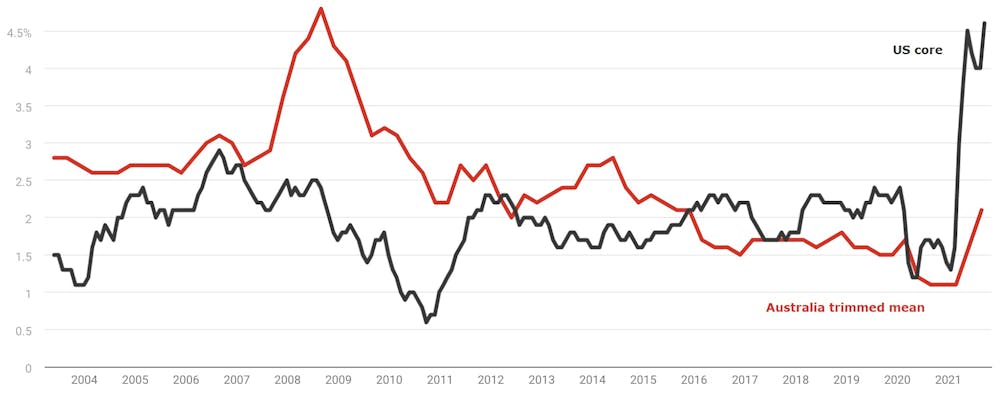
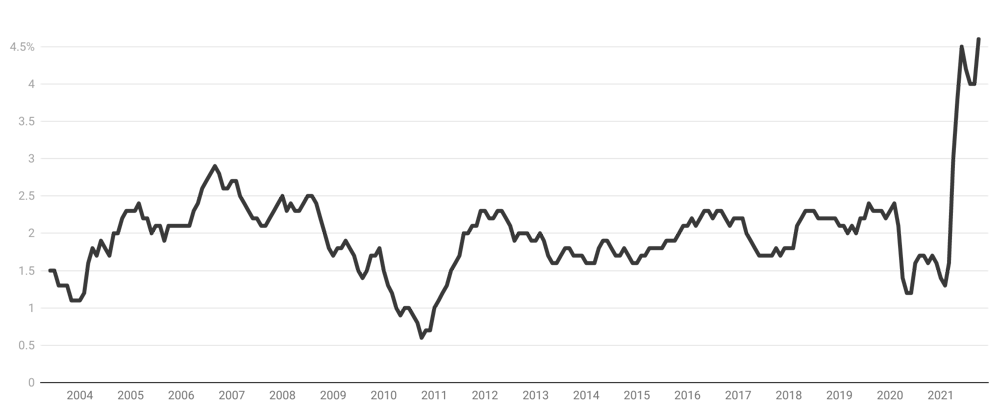
In the US, figures released last week showed the consumer price index surged 6.2% in the year to October, the most since 1990. So-called “core” inflation (which excludes volatile prices) climbed 4.6%, also the most for 30 years.


US underlying inflation

US consumer price index for all urban consumers, all items less food and energy, city average. US Bureau of Labor Statistics, St Louis Fed

Former US treasury secretary Larry Summers is talking about a jump to 11% as over-heating becomes entrenched, necessitating rate hikes in the United States, Britain and Australia.

But the 55 leading Australian economists surveyed by the Economic Society of Australia and The Conversation this week aren’t buying it. They point out that Australia’s underlying inflation rate (while climbing) is much lower, at 2.1%.


US and Australian underlying inflation

Australian Bureau of Statistics, US Bureau of Labor Statistics

Whereas in the US wages climbed 4.6% in the year to September, in Australia they climbed 1.7% in the year to June, an official figure that will be updated with readings from the September quarter on Wednesday.

32 of the 55 top economists surveyed by the Economic Society of Australia rejected the proposition that the current combination of Australian fiscal and monetary policy posed “a serious risk of prolonged above-target inflation”.

Only 12 supported it. When weighted by the confidence of respondents expressed on a scale of 1-10, backing for the proposition shrank from 22% to 20%.


Independent economists Nicki Hutley and Saul Eslake said fiscal policy (government spending) was set to tighten as COVID spending programs expired, making projected high inflation unlikely.

Harry Bloch said the prices of Australian services were predominantly determined here, by Australian wage rates, which were held back by the bargaining strength of unions and government wage setting policies.

Big inflation would require wage inflation

Matthew Butlin, until this year South Australia’s Productivity Commissioner, said prices were rising quickly in asset markets such as those for land and shares.

“The pressure simply to recover the real value of wages, let alone increase their real value, will be significant,” he said. Australia risked a wage-price spiral.

Rana Roy foresaw temporary high inflation until high energy prices and supply chain disruptions passed, but “temporary” in the sense that the hyperinflation in Germany’s Weimar Republic was temporary, lasting from 1921 to 1923.

Suppressing the higher inflation would require deliberate corrective action.

Higher rates, but not yet

Asked when the Reserve Bank would next lift its cash rate to combat inflation, most nominated 2023. Only 15 of the 52 economists who answered the question expected a hike next year, putting the majority at odds with financial market pricing which backs in several hikes during 2022.

Reserve Bank Governor Philip Lowe said earlier this month he didn’t expect to have to lift the cash rate until 2024, a proposition backed by only 10 of the 52 economists who tackled the question.


Most (33 of the 55) believed the Reserve Bank had managed the economy well during the past five years, effectively used the tools available to it to achieve its goals of maintaining the stability of the currency, ensuring full employment and furthering the “economic prosperity and welfare of the people of Australia”.

Only 15 believed the bank had managed things badly.


Fabrizio Carmignani said it could be argued the bank had kept its cash rate too low for too long and also argued that it had failed to get inflation up to its target band, two apparently contradictory positions.

Paul Frijters said that by targeting the underlying inflation rate as calculated by the Bureau of Statistics, which excludes much of housing, the bank had “cooked the books” to avoid having to increase interest rates.

John Quiggin said the bank should abandon its inflation target of 2-3% and instead target nominal GDP growth, doing whatever was needed to get the economy to grow at a nominal rate of 6-7%.

No clear case for an inquiry

The economists surveyed were divided about the need for an independent review of the Reserve Bank after next year’s election.

The Organisation for Economic Co-operation and Development and the International Monetary Fund have backed a review of the kind proposed by Labor, which would examine the bank’s mandate, board structure, and hiring and communication processes.


Asked about the idea in the survey, former Labor minister Craig Emerson said the bank had consistently undershot the 2% lower bound of its inflation target, causing unnecessarily high unemployment and low wages growth in part because it had targeted projected rather than actual inflation, and its projections had fallen short.

In October last year Governor Philip Lowe announced the bank would switch to targeting actual inflation, saying it would not be lifting its cash rate “until actual inflation is sustainably within the target range”.

Other panellists including Joaquin Vespignani argued that by targeting only measured inflation the bank had created “a bubble in the housing market which is not consistent with economic prosperity”.

More economists on the RBA board

Panellists including Ken Clements argued there was a case for appointing more board members with the economic expertise needed to challenge bank officials.

Former OECD official Adrian Blundell-Wignall argued the bank’s structure and goals were the broadly right ones. We should “not try to fix what isn’t broken”.

James Morley was concerned an independent commission of inquiry might be “highly politicised and lead to unrealistic expectations about what monetary policy can and should do”.

The Bank of Canada reviewed its performance and frameworks in cooperation with the federal government every five years, a practice that would work well in Australia.


Detailed responses:

Peter Martin, Visiting Fellow, Crawford School of Public Policy, Australian National University

This article is republished from The Conversation under a Creative Commons license. Read the original article.
Read more >>

Wednesday, July 28, 2021

What’s in the CPI and what does it actually measure?

So you don’t believe the official inflation figures. Why would you? They show prices climbing at an annual rate of 1.1%

On Wednesday the update for June quarter is likely to show prices climbing at an annual rate three times as high — somewhere between 3% and 4%, which will probably be another reason you won’t believe them.

(As it happens, most of the “jump” will be because of a different starting point. The 1.1% figure reports what happened after the three months to March 2020. The update will report what’s happened since the three months to June 2020, when coronavirus restrictions triggered a plunge in petrol prices and a temporary childcare subsidy cut the price of most care to zero.)

Most of us don’t believe 1.1% or anything like it because it doesn’t accord with our experience. We see petrol prices climbing. We are presented with bills for electricity, gas and rates we find hard to pay.

But here’s the thing. As hard to believe as we find it, electricity, gas and petrol don’t cost us that much over the course of a year.

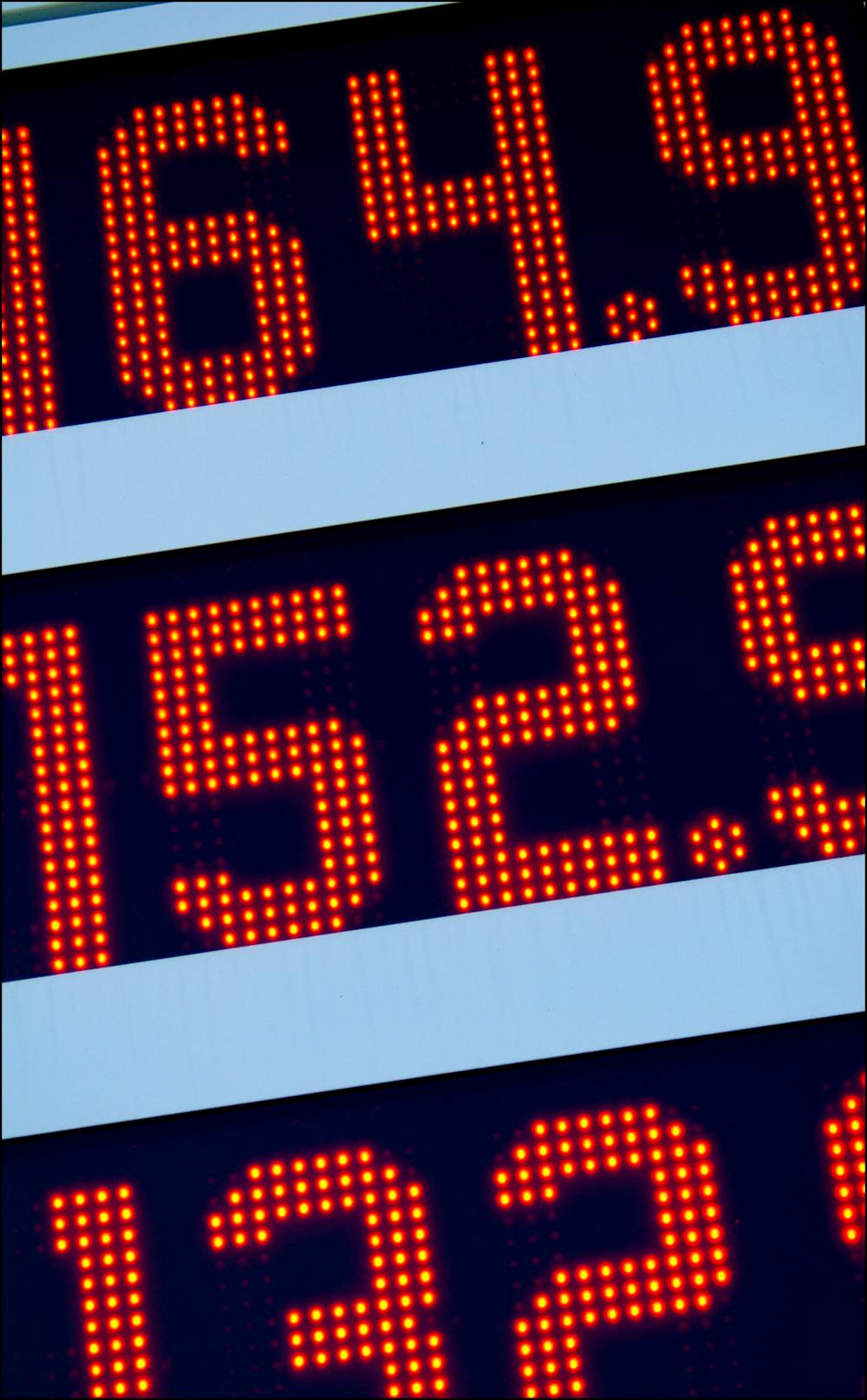
We notice petrol prices because they are displayed clearly on well-lit signs of a specified size, as is required by law. We notice electricity bills because they are large and usually arrive only four times each year.

And because we don’t like them. We pay less attention to spending we like.

Every few years the Bureau of Statistics surveys 10,000 households to determine what they spent over the course of a fortnight, and for less frequent expenses over the course of a year.

It uses what results to create a “basket” of representative goods and services, weighted according to actual expenditure.

Food accounts for the bulk of the basket — 17.3%. Alcohol accounts for another 5.3%. That’s right, 5.3%.

Compare the 5.3% of the basket we spend on alcohol to the 3.2% of it we spend on petrol, or the 3.8% on electricity and gas taken together.

Alcohol and food big ticket items

We spend almost as much on alcohol as on health, and more than on clothes.

If you reckon that’s not your household, fair enough. The basket represents the average household, as does the consumer price index (CPI) which measures the prices of the goods and services in the basket in the proportions they are in the basket.

And if your reckon you’d never admit to spending that much on alcohol, you’re also right. Alcohol and tobacco are two of the rare instances where the bureau nudges up what people report to take account of what’s actually sold.


Contrary to a widely-believed myth, the cost of housing is in the index, both in the form of rents and in the cost of building houses, rather than the cost of land (that’s regarded as an investment, as is the ownership of shares which are also not included in the index).

Most things included, though not illegal drugs

Some things aren’t the index but should be — superannuation management fees (the bureau is working on it) and recreational drugs and prostitution, which are excluded because it is “very difficult and indeed dangerous to obtain estimates of prices and expenditures, or to measure quality change”.

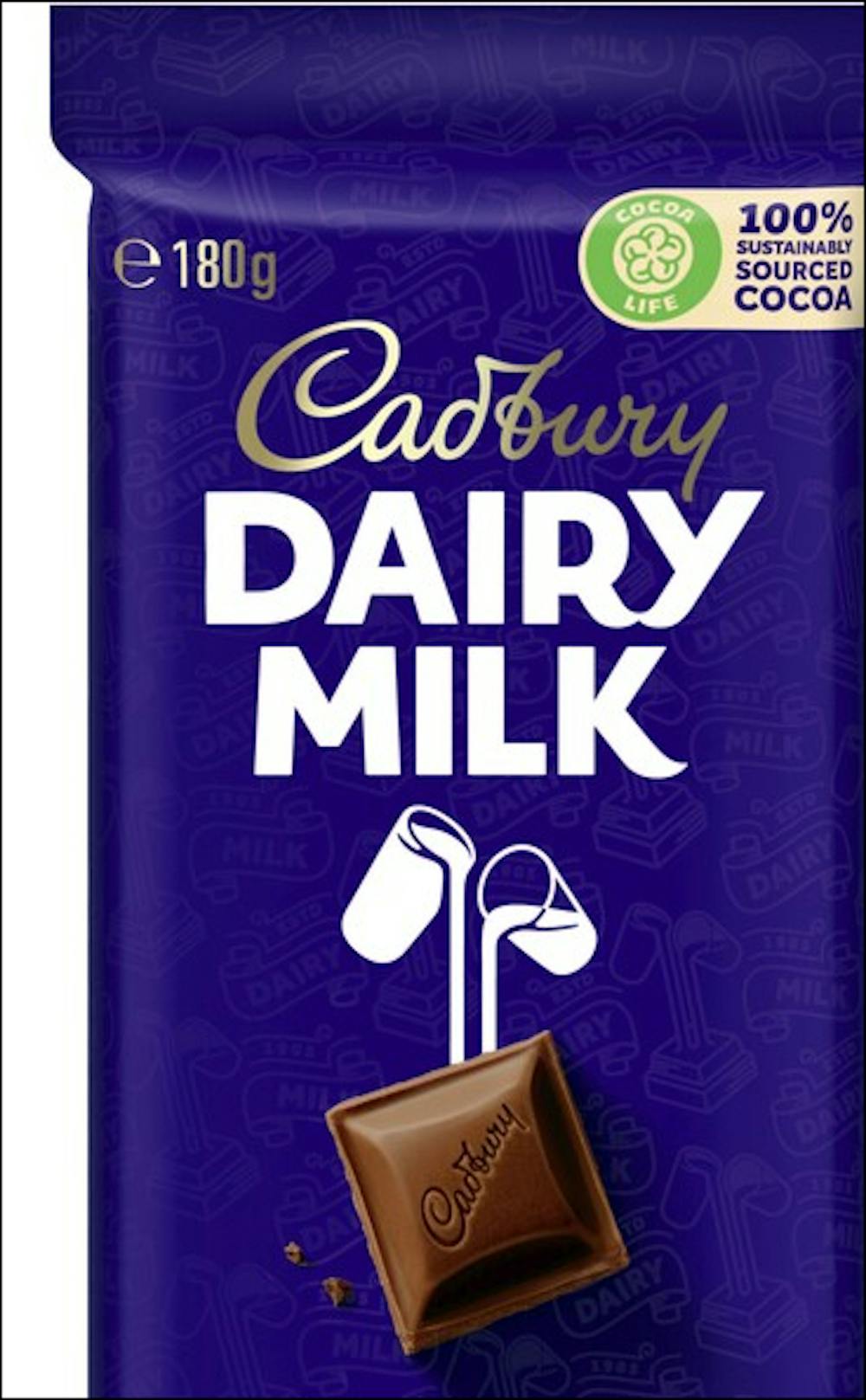
Quality matters. When Cadbury shrank its large blocks of chocolate from 250g to 200g a few years back and then to 180g, it wouldn’t have been right to merely record the price change.

The bureau adjusted up the recorded price to take account of the fact that people were getting less chocolate. But other changes are less straightforward. What do you do when VB reduces the strength of its beers (as it did) or the new model laptop has twice as much memory as the one it replaced?

For computers the bureau adjusts down the recorded prices of new models in line with a US formula.

For cars — which these days have features not previously dreamed of — it consults a panel of experts.

For other changes it lets improvements go through to the keeper, leaving recorded prices unadjusted even though the are getting better.

Beneath the hood, the CPI is changing

The bureau used to record prices using handheld devices in supermarkets and by ringing up suppliers and getting quotes. In the last few years it has moved to getting almost everything electronically — stores hand over data from checkout scanners, petrol stations report when prices have changed and upload sales data, and the bureau “scrapes” advertised prices from the web.

With those changes has come a revolution in what it is able to do. It used to collect prices in only a small number of representative outlets (which is why the index was limited to capital cities) and it used to record only the prices of “representative” items.

The stand-in for bread was the average price of a sliced white 650-750g loaf.

Better still, for the first time the bureau has information on how much is bought of each product at each price each quarter. This enables it make real-time adjustments to weightings in accordance with actual behaviour.

In 2011 when Cyclone Yasi destroyed banana crops in Queensland, the price of “fruit” recorded in the consumer price index surged to an unprecedented high. But the prices actually paid for fruit didn’t surge. Shoppers bought other fruits or canned fruit instead.

Next time that happens the CPI will scarcely move.

It’s making the index more of a cost of living index and less of a “cost of a fixed basket” index. It is happening for petrol too. The bureau is reporting the prices people actually pay, instead of the prices on offer.

None of this is to say that the CPI is perfect, but it would be wise to take the figure to be released on Wednesday seriously. It probably does a better job of recording changes in our cost of living than we’d do ourselves.

Peter Martin, Visiting Fellow, Crawford School of Public Policy, Australian National University

This article is republished from The Conversation under a Creative Commons license. Read the original article.
Read more >>